
lferrell@alamosanews.com
SAN LUIS, Colo. — According to news reports, the ongoing battle between local property owners and billionaire William Harrison has come to a halt after …
This item is available in full to subscribers.
To continue reading, you will need to either log in to your subscriber account, below, or purchase a new subscription.
Please log in to continue |
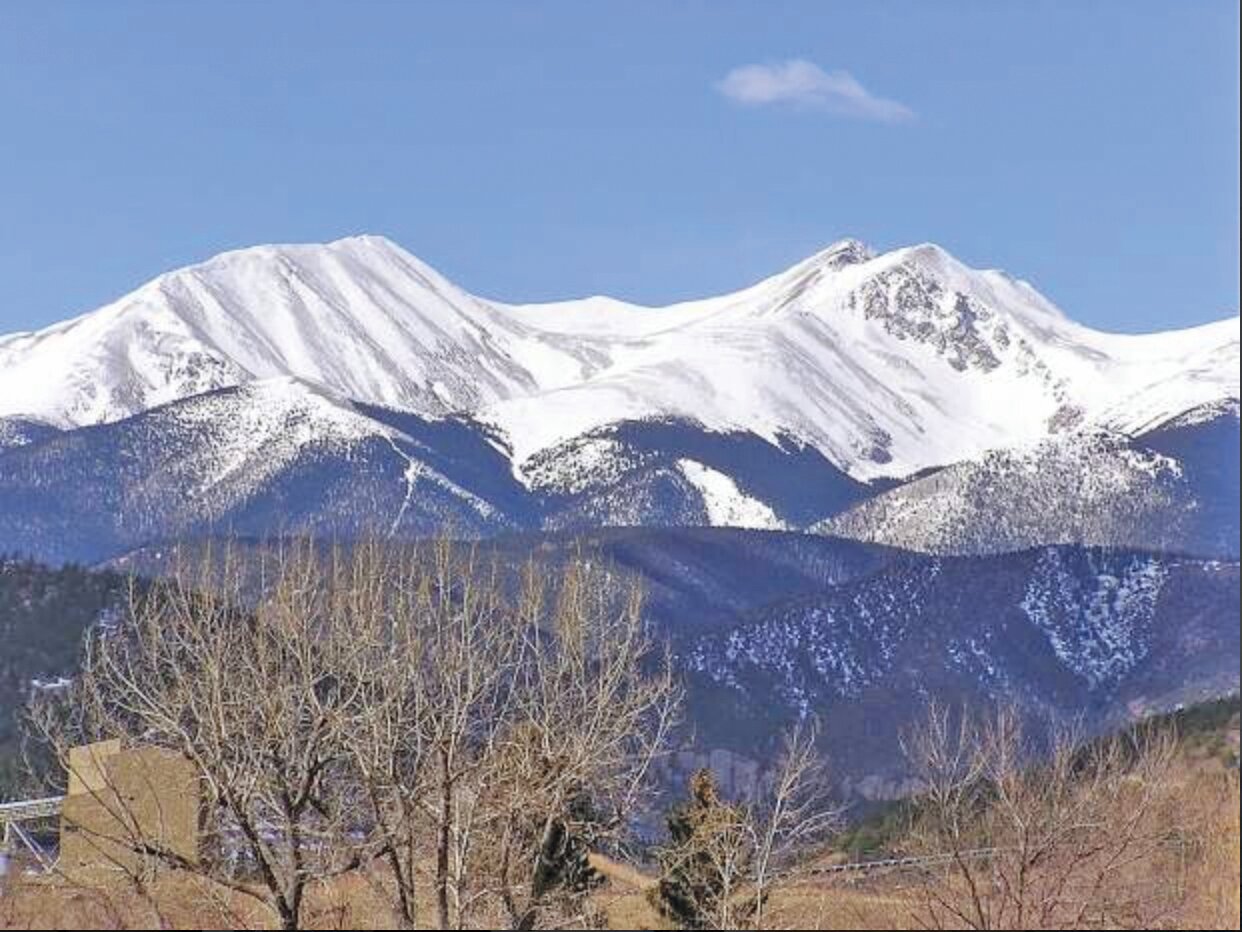
SAN LUIS, Colo. — According to news reports, the ongoing battle between local property owners and billionaire William Harrison has come to a halt after independent wildlife studies commissioned by both parties revealed concerning findings.
A newly released, 83-page joint wildlife report has laid bare the environmental stakes, revealing that the massive 8-foot fence threatens more than 30 wildlife species, including the federally protected Canada lynx and Silverspot butterfly.
The document, born out of court-ordered mediation between Harrison and Costilla County Commissioners, has exposed a deep divide between the landowner and the local community.
Construction on the perimeter barrier began in 2020 along the historic Sangre de Cristo Land Grant, known locally as La Sierra. Harrison, who purchased the ranch in 2017, has maintained the fence is necessary to contain a small herd of about 100 bison and keep trespassers at bay. Local residents, who hold century-old rights to graze livestock and gather timber on the land, have protested the project since construction began.
The project hit a legal wall in 2023 when Costilla County Commissioners secured a temporary court injunction. By then, roughly 20 miles of the planned 26-mile barrier had already cut a dirt, bulldozed trail through native piñon pine and sagebrush. The Colorado Department of Public Health and Environment later issued a cease-and-desist order after an investigation determined the construction work violated state water quality and erosion laws.
To resolve the litigation, both the county and the ranch agreed to hire independent wildlife experts to collaborate on a comprehensive impact assessment. The findings heavily validated the community's concerns.
According to the study, nearly all species identified have significant habitat within a half-mile of the fence line, which actively intersects critical elk migration corridors mapped by Colorado Parks and Wildlife. The report outlines 356 specific modifications needed to mitigate damage.
To begin minimizing the footprint of the fence, wildlife experts suggested "tearing down more than 3 miles of existing fence line, specifically near water sources like El Poso Creek and Vallejos Creek".
The document advocates "creating 132 ground-level openings (at least 18 inches tall and 20 feet wide) every 500 feet for small animal passage, alongside 176 specialized 'jumps' to allow deer fawns and elk calves to cross safely".
The report also calls for "enlarging the grid squares from their current tight mesh to at least 12 inches, removing barbed wire from the top and bottom, and utilizing high-visibility markers to prevent birds and big game from colliding with the barrier".
The experts took aim at Harrison’s claims regarding his livestock, concluding that "a wildlife-friendly fence measuring 5 feet or lower is entirely sufficient to contain a bison herd".
Despite these recommendations, county officials and community organizers are facing deep disappointment. Harrison has reportedly refused to accept or implement the study's recommended modifications. Harrison did not respond to inquiries prior to publication.
Many support Harrison, arguing the dispute represents an overreach into a landowner’s right to manage private property without government interference. Reports highlight that Harrison's legal defense stands firmly on private property management, asset protection and liability control regarding his livestock.
From a landowner’s perspective, supporters believe Harrison has a right to protect his land from trespassers, protect livestock, and stop unauthorized ATV use, trash dumping and the illegal collection of shed antlers from migrating elk herds.
The property-rights argument gained attention beyond Costilla County during debates over House Bill 1023, a state law passed in 2025 aimed at restricting large fences on the land grant.
State lawmakers pushing back against the bill argued that it amounted to a government taking of private property rights. Opponents of the restrictions, including state Sen. Byron Pelton, voiced concerns during committee hearings.
"Somebody is deeded that land, owns that land... I'm really concerned about the private property aspect of this," Pelton said.
With mediation stalled over the refusal to modify the structure, the fate of La Sierra's wildlife and the sprawling wire barrier now rests in the hands of a district court judge.


