Got compassion? Got an understanding of the human condition? Recognize your own short comings? Then don’t leave home today without kindness for others.
This item is available in full to subscribers.
To continue reading, you will need to either log in to your subscriber account, below, or purchase a new subscription.
Please log in to continue |
Got compassion? Got an understanding of the human condition? Recognize your own short comings? Then don’t leave home today without kindness for others.
Standing in the check out line at City Market, I waited behind a young mother and her sweetheart. They were paying with SNAP Benefits but had to return a package of juice because they didn’t have enough stamps for the whole-kit-and-caboodle. It was a few years ago now that I was a “grad” an older-than-average student at the University of Houston-Clear Lake when I was busily loading my grocery cart of milk, chicken, pasta, Hamburger Helper, pears, broccoli and shampoo onto the check-out counter. I used food stamps then when my son was an inquisitive third grader. How thankful I was then for the program that was feeding Americans and helping me feed my son even as I completed my education. I was on the road toward my dreams of helping others, of teaching. The mother in line before me was checking off her grocery list the items she could buy right now. And, so I think, having a heart for others is like a best friend’s smile. I saw that smile in the checker’s face.
A computer whiz of a student stood aside and motioned to me. A coding student at Trinidad State College, he relayed that his uncle died suddenly and unexpectedly. His own eyes begged for understanding and compassion as he asked for an extension on the latest writing assignment. How can a professor not be empathetic to students who are suffering through such a loss and allow for leeway? (Understanding the emotional pain that comes to a family with the loss of significant others is what I am still feeling myself with the loss of my mother 16 years ago.) As I’m reminded by mental health or behavioral counselors, loss can impact how the brain processes daily tasks and for sure these assignments in Composition 101, History, or Psychology for students navigating hardships. Our own experiences can heighten our ability to feel kind-heartedness toward others.
Americans with Disabilities Act in-place everywhere in America prompts all of us to care and understand. It is a law about compassion. But compassion doesn’t mean feeling sorry; it means allowing other human beings to live, work and create with some consideration of their conditions. An example is having sidewalks that are wheelchair accessible. It is having flooring that does not catch a physically challenged client or student’s foot. It is also about having neutral breathing environments for patrons whether or not they have issues with breathing. Sometimes it can mean having ergonomically appropriate task stations.
Where some people’s disability is evident, other disabilities are not so obvious. It behooves us as a society to have compassion and encourage others to achieve their goals. At Adams State University, Pikes Peak State College, and Trinidad State College, I was so thankful for the time that I worked one on one with several “otherly-abled” students: a blind student, a deaf student and a student who suffered from multiple personalities. It was the compassion that I learned as a little girl that led me, that allowed me to teach the early version of Dragon Dictate and navigating dialog windows to Emily, the blind student. It was compassion that I practiced that allowed me to encourage Marsha, the deaf student in Graphic Design. It was compassion that helped me understand the struggle Vicky, the sociology student with multiple personalities, traversed.
It is compassion that drives my urge to write, create and teach; it is compassion that “makes the world go round” and not the “mean girl” syndrome promoted on YouTube or Facebook or violent home environments. It is not kind when a society is driven by the slamming of others rather than appreciating and building up those before us.
Compassion. Always pack a little kindness in your duffel bag.
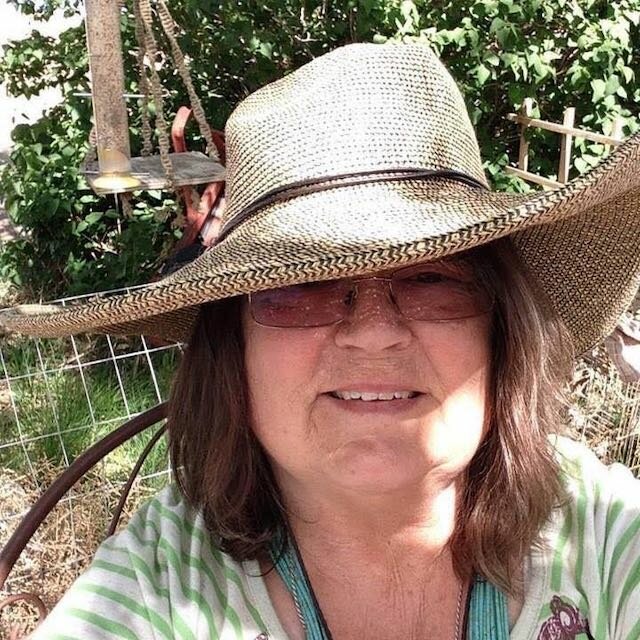
Nelda Curtiss is a retired college educator and long-time local columnist. Reach her at www.columnsbynellie.com or email her at columnsbynellie@gmail.com.